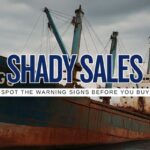


Buying a ship isn’t like buying a used car — one bad decision can cost you millions or sink your operation before it even starts. Whether you’re eyeing a cargo vessel, fishing trawler, or offshore supply ship, asking the right questions early can reveal hidden problems, save you from legal nightmares, and even give you leverage in negotiations. Before you sign that dotted line or wire a deposit, make sure these critical questions are answered.
❓ 1. What’s the vessel’s full maintenance and repair history?
This gives you critical insight into how well the ship has been cared for. Look for consistent service intervals, engine rebuilds, drydock records, and whether parts were replaced with OEM or cheap substitutes.
📜 2. Is the ship free of encumbrances, liens, or disputes?
Don’t assume a clean title — verify it. Request proof of ownership, check international lien databases, and make sure there are no pending legal issues or unpaid port fees.
🛠️ 3. When was the last class inspection, and what were the results?
A recent classification inspection from a reputable society (like DNV or ABS) speaks volumes. Review the findings — any major deficiencies or conditional passes should raise red flags.
🌍 4. What flag is the vessel registered under, and why?
Flag states impact everything from taxes and labor rules to compliance and resale value. Some “flags of convenience” may cause operational issues or raise insurance premiums.
⚙️ 5. What’s the condition and remaining lifespan of the main engine and generators?
Engine overhauls are expensive. Ask for oil analysis reports, hour logs, and details on any major replacements or rebuilds. Don’t just go by appearances.
📦 6. What comes with the vessel — and what doesn’t?
Clarify if spare parts, navigation systems, safety gear, or documentation are included. Some sellers strip valuable components before delivery.
📈 7. What’s the vessel’s recent operational history?
Has it been idle for long? Was it actively trading? Ships that sit unused for extended periods can develop hidden mechanical and structural issues.
🧾 8. Are there any outstanding certificates, taxes, or regulatory gaps?
Check for up-to-date SOLAS, MARPOL, load line, and classification certificates. Gaps can delay transfer of ownership or lead to expensive catch-up costs.
📉 9. Why is the owner selling — and is there urgency?
Knowing the seller’s motivation can help you spot hidden issues or create leverage. A rushed sale or vague answers may point to problems below deck.
🧭 10. Is there a recent independent survey available — and can you commission your own?
A third-party marine surveyor can reveal hidden corrosion, hull fatigue, or neglected systems. Don’t rely on the seller’s report alone — bring in your own expert if possible.
Buying a ship is a high stakes investment and asking the right questions is your first defense against costly mistakes. Use this list not just as a conversation guide, but as a checklist to protect your time, capital, and long-term goals. Whether you’re a first-time buyer or expanding a fleet, never rush the deal. A few well-placed questions can save millions.
Try the interactive tool below to evaluate your next potential vessel based on these core questions:
🧮 Ship Purchase Readiness Tool
Answer each question below to get a readiness score out of 100. The higher the score, the more confident you can be about making an offer.